

Bengali Ghugni is a comforting, flavorful curry made with dried white peas, potatoes, and a fragrant blend of Indian spices. Popular in Bengali homes and on the streets of Kolkata, this humble dish is loved for its rich gravy, tender peas, and delicious toppings of chopped onion, green chilies, fresh cilantro, and a squeeze of lemon juice.
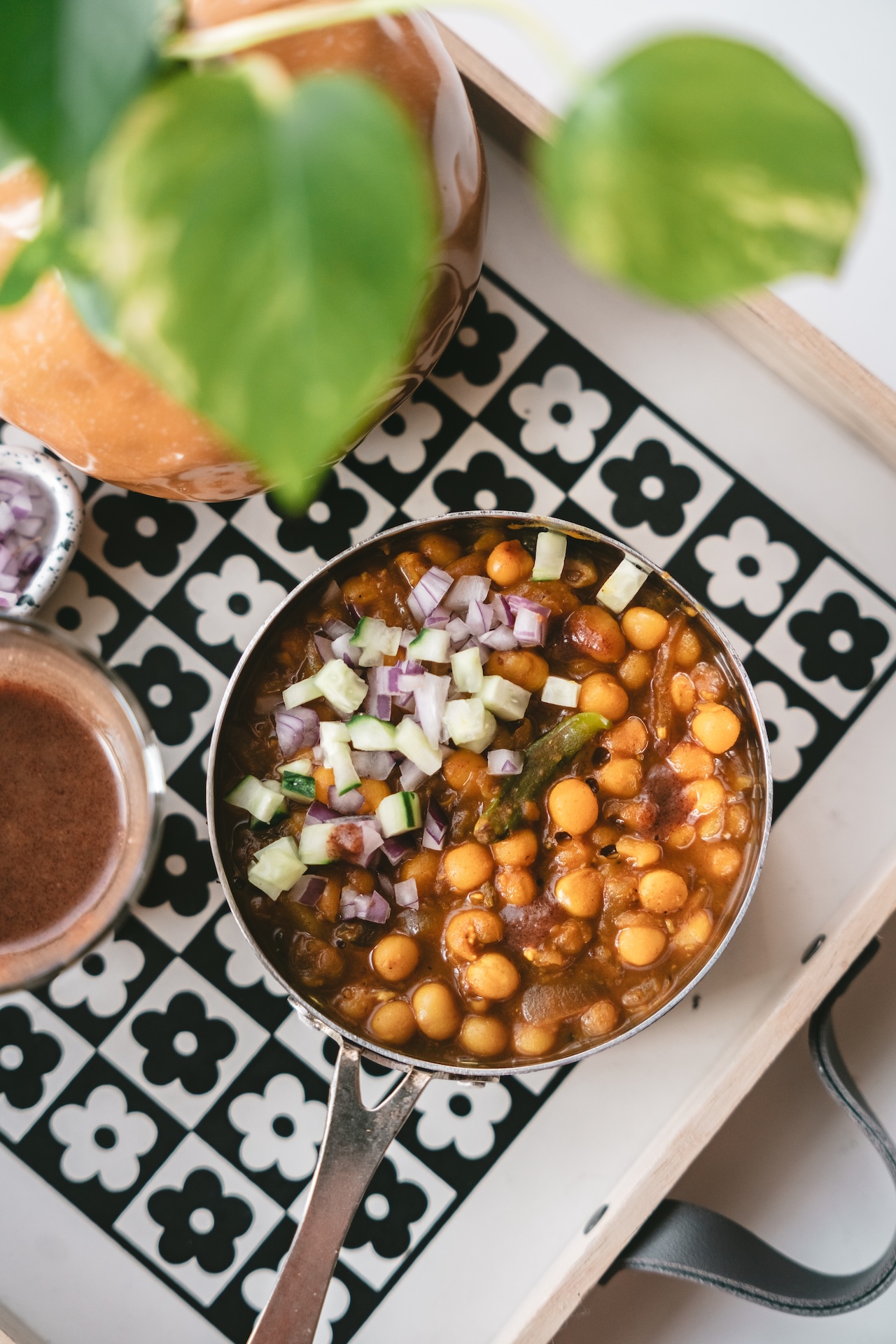
Bengali ghugni
Unlike many Indian curries that rely on a heavy onion-tomato base, traditional Bengali ghugni gets much of its character from ginger, cumin, coriander, turmeric, and the earthy flavor of dried peas. Depending on the household and region, it can be prepared with white peas or yellow peas, with variations in the gravy, spice level, and toppings.
Growing up with Bengali food, ghugni was one of those dishes that could be enjoyed at almost any time of the day. It makes a satisfying breakfast, an afternoon snack, a light dinner, or a delicious addition to a festive spread. Serve it with luchi for a classic Bengali combination, enjoy it in a bowl topped with crunchy onions and tangy tamarind chutney, or pair it with toasted bread for an easy meal.
The best part? This Bengali white peas curry uses simple pantry ingredients and is naturally vegetarian when prepared without meat. Once you learn the basic technique, you can easily adjust the consistency and toppings to make it just the way your family likes it.
Why You Will Love This Bengali Ghugni Recipe
- Authentic Bengali flavors: Cumin, coriander, ginger, and garam masala create a warm, aromatic curry.
- Simple pantry ingredients: Dried white peas, potatoes, and everyday Indian spices are all you need.
- Naturally vegetarian: This recipe is vegetarian and can be made vegan with plant-based oil.
- Versatile and filling: Serve it for breakfast, as an evening snack, or as part of a larger Bengali meal.
- Easy to customize: Adjust the gravy, spice level, and toppings to suit your taste.
- Great for meal prep: The cooked peas absorb the spices beautifully, making the curry even more flavorful after resting.
- Perfect for entertaining: Prepare a pot of ghugni and set out bowls of toppings so everyone can customize their serving.
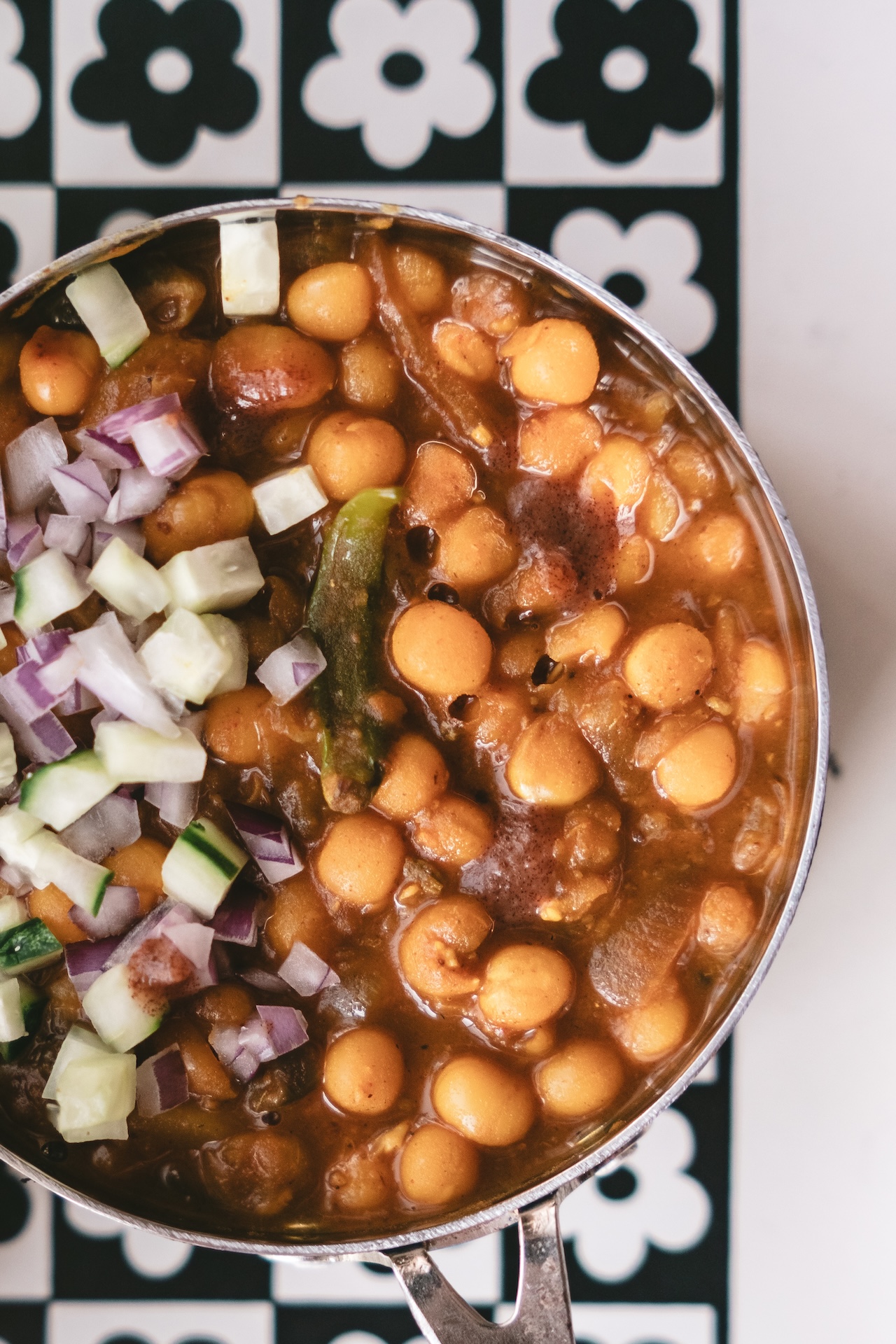
Ingredients for Bengali White Peas Ghugni
Dried white peas
Dried white peas are the main ingredient in this recipe. They become soft and creamy after soaking and cooking, creating the characteristic texture of Bengali ghugni.
Look for dried white peas at Indian grocery stores or in the dried beans and legumes section of larger supermarkets. They are not the same as fresh green peas, canned peas, or split peas.
Yellow dried peas can also be used, although the appearance and flavor may differ slightly.
Potatoes
Potatoes add body to the curry and help thicken the gravy as they cook. Cut them into small cubes so they cook evenly and are easy to serve with the peas.
Waxy or all-purpose potatoes work well. If you prefer a thicker curry, lightly mash a few potato pieces into the gravy near the end of cooking.
Mustard oil
Mustard oil is a traditional choice for Bengali cooking. Its pungent, distinctive aroma adds depth to the curry and gives it a familiar Bengali character.
Heat the oil until it is shimmering before adding the whole spices. If mustard oil is unavailable, use a neutral cooking oil, although the flavor will be slightly different.
Ginger
Fresh ginger adds warmth and fragrance to the gravy. Ginger paste works well, but freshly grated ginger gives the curry a particularly lovely aroma.
Spices
Coriander powder and cumin powder adds a gentle citrusy, earthy flavor and helps create the curry's signature gravy. Turmeric gives the ghugni a warm golden color and a subtle earthy note. Use red chili powder to build the base heat and fresh green chilies for a sharper, fresher kick. Adjust both according to your preference.
Onion
Onion adds a mild sweetness to the dish. Adding onion is optional if you want to make it a pure vegetarian ghugni to pair with luchi
Tomato
A small amount of tomato adds acidity and body to the gravy. Some traditional family recipes use little or no tomato, so you can reduce it or omit it if you prefer a more ginger-forward preparation.
Fresh toppings
If you are serving ghugni as a snack, add chopped onion, chopped cucumber, cilantro, green chilies, and sweet tamarind chutney. Tamarind chutney is optional but adds a delicious sweet-and-sour note reminiscent of Kolkata street-style ghugni.
How to Make Bengali Ghugni
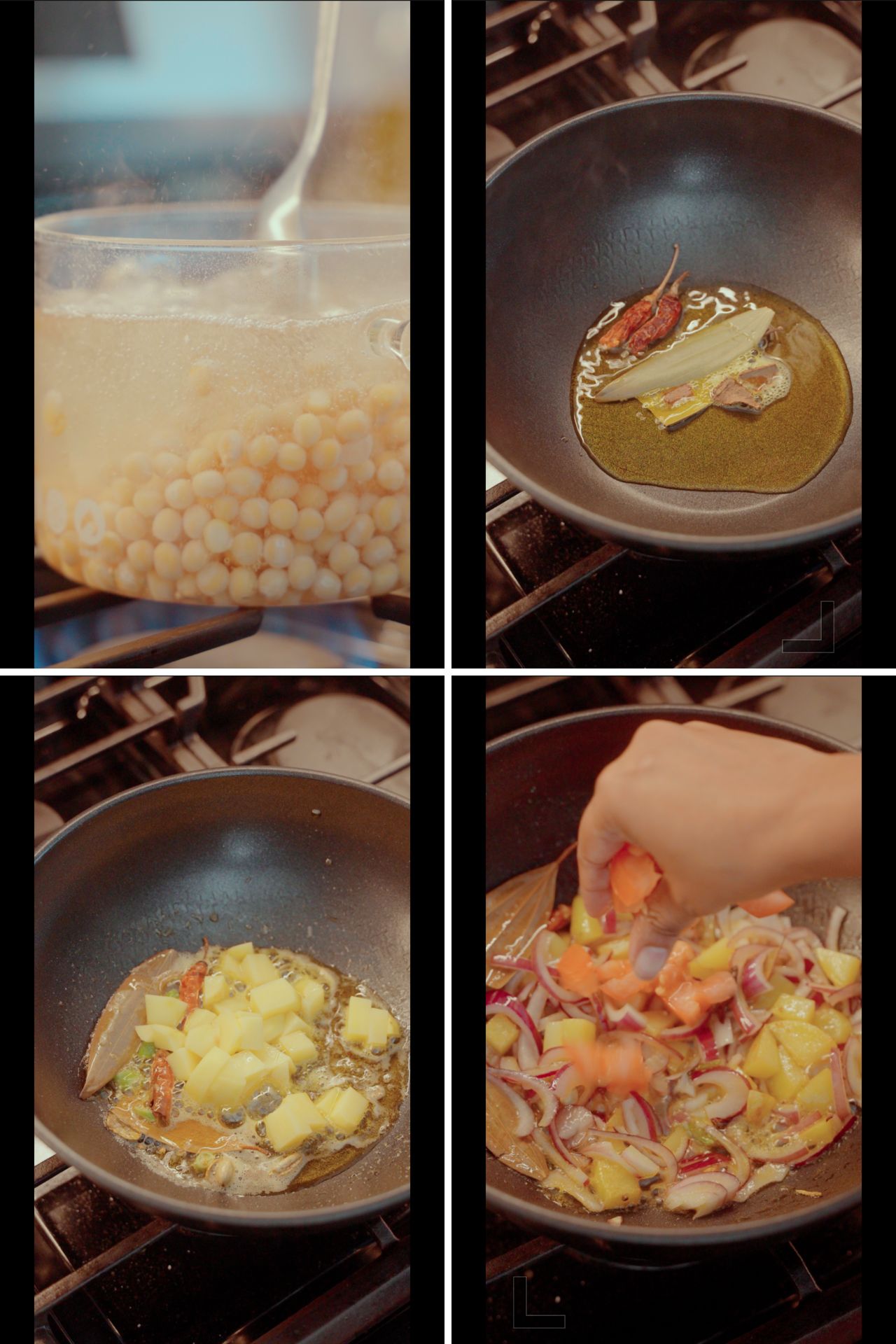
Step 1: Soak the dried white peas
Rinse the dried white peas several times under running water. Transfer them to a large bowl and cover them generously with water.
Soak for 8 hours or overnight. The peas will absorb water and increase in size, so make sure the bowl has enough room.
After soaking, drain and rinse the peas.
Why soaking matters: Soaking helps the peas cook more evenly and reduces the time needed to soften them. If you forget to soak them, you can still cook them, but the cooking time will be longer.
Step 2: Cook the peas
Transfer the soaked peas to a pot. Add fresh water, enough to cover the peas generously, and cook until they are tender but still hold their shape.
The peas should be soft enough to bite through easily without turning completely mushy.
Reserve some of the cooking liquid. It will help create a flavorful gravy later.
Step 3: Prepare the onion, tomato, potato
Peel the potatoes and cut them into small cubes.
Keep the onion, finely chopped and dice the tomato to small cubes.
Step 4: Temper the spices
To a heavy bottom pan, heat mustard oil along with little ghee and then add bay leaves, cinnamon stick, green cardamoms pods and dry red chili.
Step 5: Prepare the dish
To the pan, now add potatoes and stir it around for few minutes.
Scatter the onion, season with salt and let it fry for few minuntes.
Next, you add the tomato and let every cook for few minutes or until the onion and tomatoes are little bit softened.
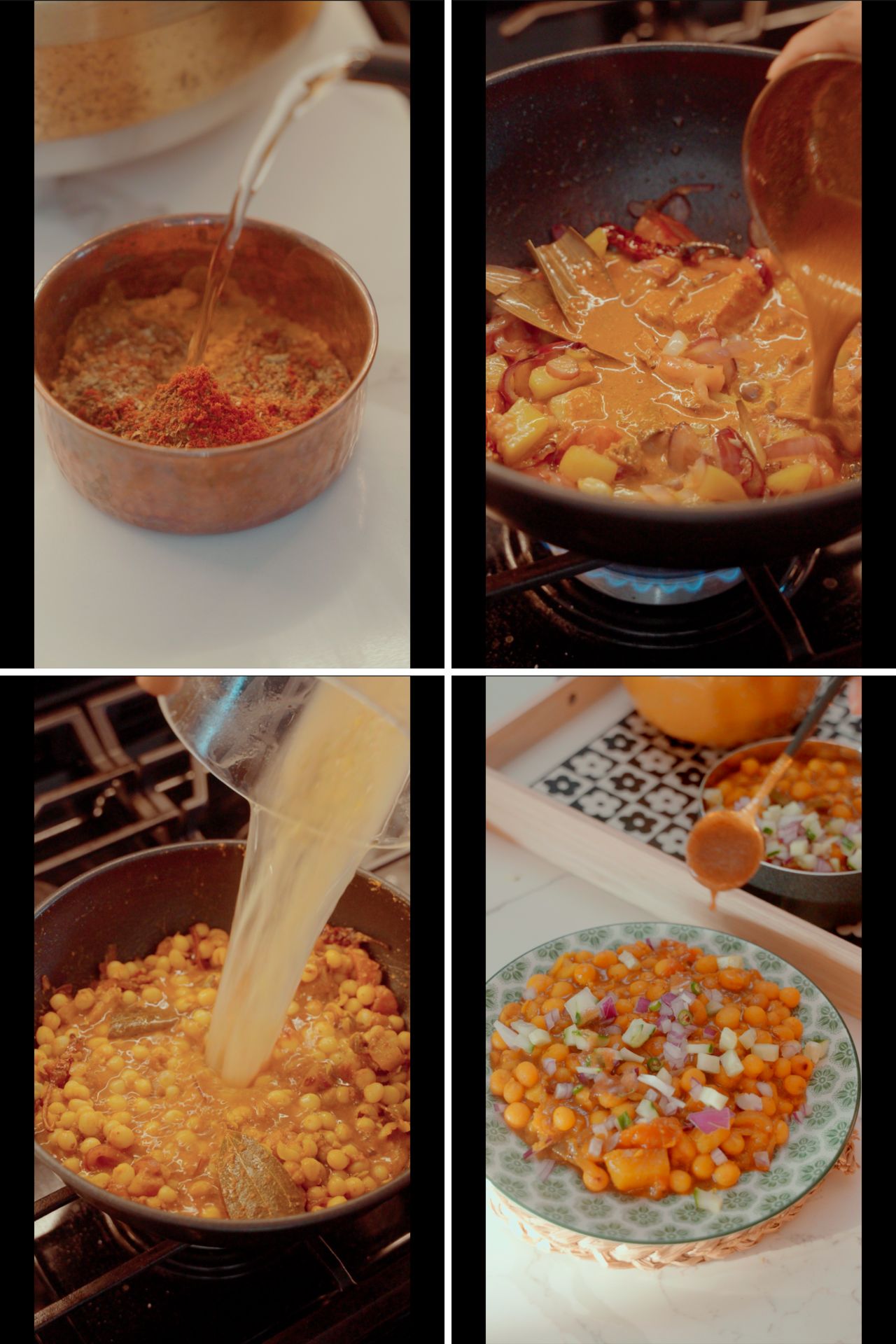
Step 6: Adding the spice paste
To a bowl add the ground spices and mix it with water. This steps avoid the spices from getting burnt.
As the spice paste cooks, it creates a jam like texture.
Step 7: Adding the boiled peas
Add the boiled peas at this stage and don't discard the water from the pot.
Stir around the peas to mix everything and then pour the water from the pot.
Step 8: Simmer until flavorful
Bring the water to full boil at high heat.
Then bring the heat to medium, add two green chili to the pan and let it simmer for 10 minutes.
Check for salt and add more if needed.
Step 9: Serve
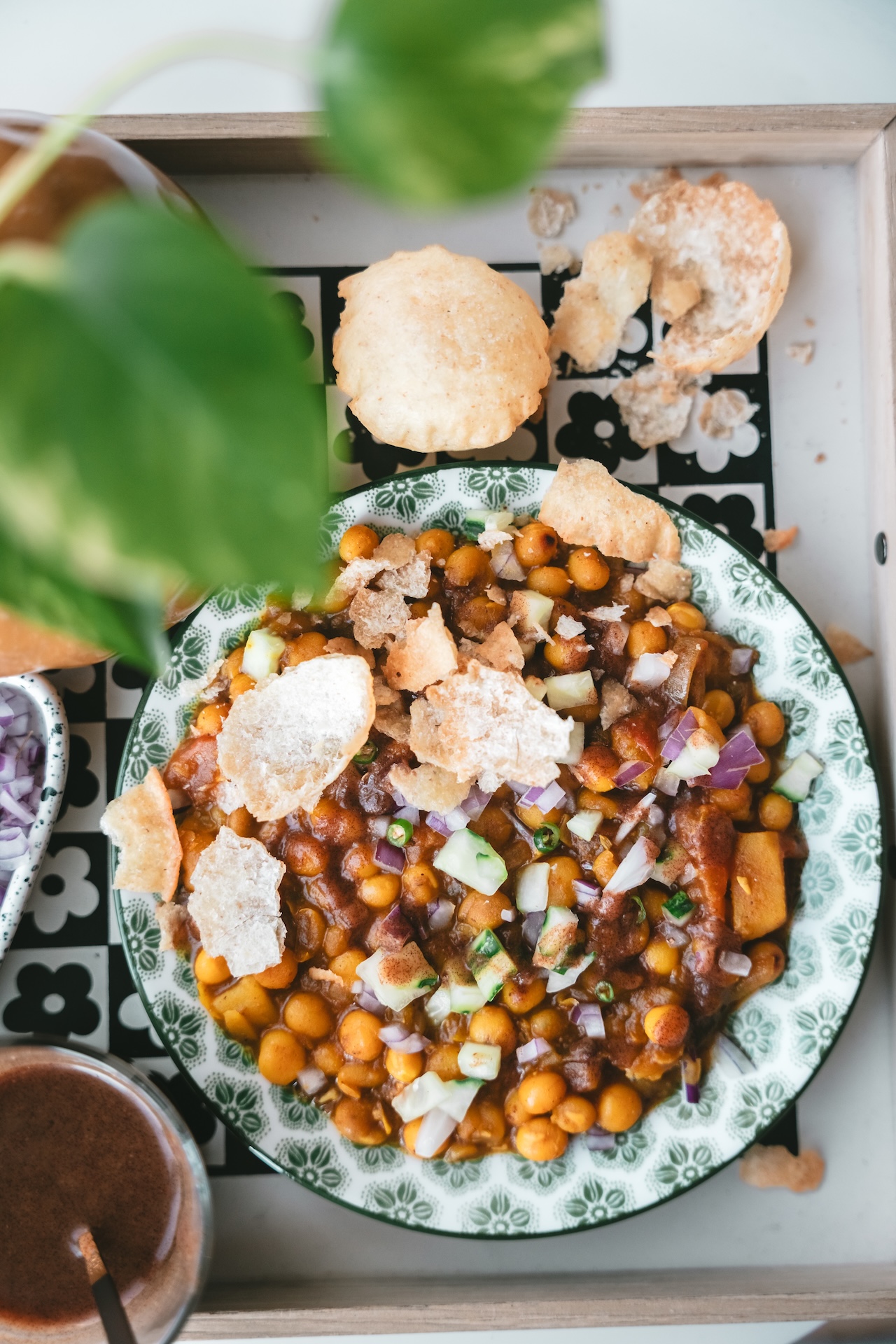
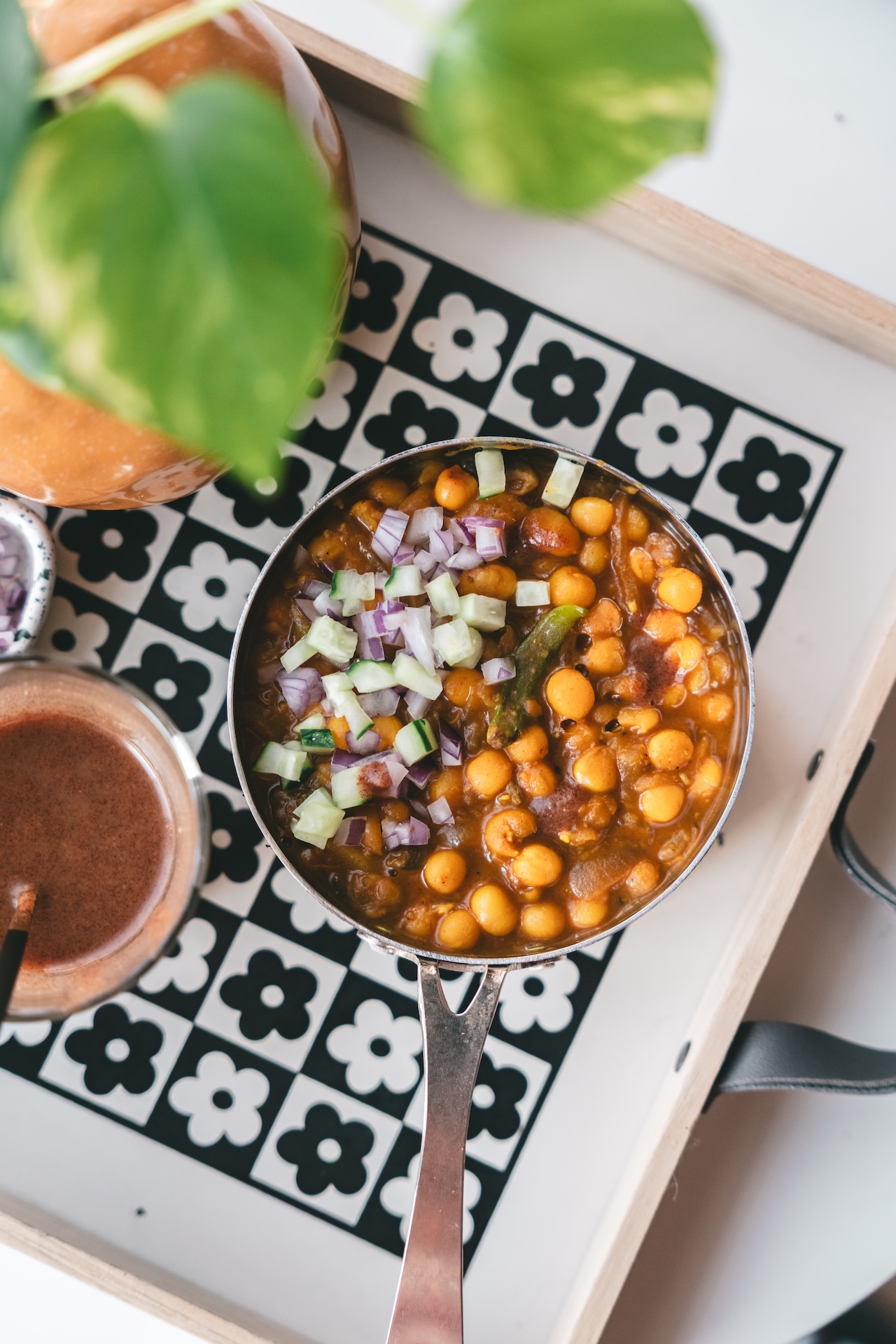
Ladle the hot ghugni into bowls or plates. Top with finely chopped onion, chopped cucumber, fresh cilantro, green chilies, and tamarind chutney.
Serve immediately while warm.
How to Serve Bengali Ghugni
Ghugni is wonderfully versatile. The same pot of curry can become a simple snack, a hearty breakfast, or a complete meal depending on what you serve alongside it.
With luchi
Luchi and ghugni are a classic Bengali combination. The soft, puffed, deep-fried bread is perfect for scooping up the thick pea curry.
This pairing works particularly well for a weekend breakfast, a festive brunch, or a traditional Bengali spread.
As Kolkata street-style ghugni
Serve ghugni in small bowls with finely chopped onion, cilantro, green chilies, lemon juice, and a little tamarind chutney. Finish with bhaja moshla for a tangy, savory snack.
If you enjoy the contrast between soft peas and crunchy toppings, add the onions just before serving.
With paratha or toast
For a simple weekday meal, serve ghugni with paratha, toasted bread, or a lightly buttered roll. This is an easy way to turn leftovers into a satisfying breakfast or lunch.
As part of a Bengali meal
Ghugni can also be served as a side dish alongside rice, roti, or other Bengali preparations. Keep the gravy a little thinner if you plan to serve it with rice.
With other snacks
For a larger gathering, serve ghugni alongside vegetable chops, beguni, or other Bengali snacks. A bowl of hot ghugni with a selection of toppings makes an easy and customizable addition to a party menu.
Tips for Making the Best Bengali Ghugni
Soak the peas thoroughly. Overnight soaking helps the peas cook more evenly. If the peas are still hard after cooking, they need more time, not more spices.
Do not discard the cooking liquid. The liquid contains flavor from the peas and makes a better gravy than plain water.
Fry the potatoes before simmering. Lightly frying them adds flavor and helps the pieces hold their shape.
Cook the spice base patiently. Allow the ginger, tomato, and ground spices to cook together before adding the peas. This helps remove the raw taste of the spices.
Adjust the consistency at the end. Ghugni can be thick like a snack curry or slightly soupy when served with bread or rice. Add water gradually so you do not dilute the flavor.
Mash a few peas for a thicker gravy. You do not need flour or cream to thicken ghugni. A few mashed peas and potato pieces create a naturally creamy consistency.
Finish with fresh toppings. Chopped onion, cilantro, green chilies, and lemon juice add freshness and contrast to the warm spices.
Let the curry rest. Allowing the ghugni to sit for a few minutes before serving helps the flavors settle. It also tastes excellent reheated the following day.
Common Mistakes to Avoid
1. The peas are still hard
This usually means the peas need more cooking or were not soaked long enough. Return them to the pressure cooker with enough water and continue cooking until tender.
2. The gravy is too watery
Simmer the ghugni uncovered to reduce the liquid. You can also mash a few peas and potato pieces into the gravy.
3. The gravy is too thick
Add hot water or reserved pea-cooking liquid, a little at a time, until you reach the desired consistency.
4. The spices taste raw
Cook the ginger, tomato, and ground spices thoroughly before adding the peas. A little water can help the spices cook without burning.
5. The curry tastes flat
Check the salt first. Then add a little more garam masala or bhaja moshla, if appropriate, and brighten the curry with lemon juice when serving.
6. The potatoes fall apart
Cut them into evenly sized pieces and avoid vigorous stirring. Add them after lightly frying, then simmer gently until tender.
Variations of Bengali Ghugni
Kolkata street-style ghugni
For a street-food-inspired version, use a thick gravy and finish each serving with chopped onions, cilantro, green chilies, lemon juice, tamarind chutney, and bhaja moshla.
No-tomato Bengali ghugni
Skip the tomato and build the base with ginger, cumin, coriander, and green chilies. Adjust the seasoning at the end. This version has a different flavor profile but can be equally delicious.
Spicy ghugni
Increase the green chilies or red chili powder, and serve with additional chopped chilies for those who enjoy more heat.
Ghugni with chicken or mutton
Bengali preparations incorporate ground meat for extra texture and flavor. Chicken Ghugni is a delicious twist on traditional Bengali ghugni, made with tender chicken pieces simmered with yellow or white peas, potatoes, and a fragrant blend of Indian spices.
How to Store and Reheat Ghugni
Ghugni is a good make-ahead dish because the peas continue to absorb the spices as the curry rests.
Refrigerator: Allow the curry to cool promptly, then transfer it to an airtight container and refrigerate within two hours. Use within 3 to 4 days.
Freezer: Freeze the curry in meal-sized portions in airtight, freezer-safe containers. For best quality, use within about 2 to 3 months.
Reheating on the stovetop: Transfer the ghugni to a saucepan and reheat over medium-low heat, stirring occasionally. Add a splash of water if the gravy has thickened.
Reheating in the microwave: Place a serving in a microwave-safe bowl, cover loosely, and heat until steaming hot throughout. Stir halfway through.
Add fresh onion, cilantro, green chilies, and lemon juice only after reheating. This keeps the toppings fresh and crunchy.
Frequently Asked Questions
Dried white peas are a popular choice for Bengali ghugni. Dried yellow peas are another option, although they may produce a slightly different texture and flavor. Fresh green peas are not a direct substitute for the dried peas used in this recipe.
Overnight soaking is recommended because it helps the peas cook evenly and reduces cooking time. If you do not soak them, they will generally require a longer cooking time.
Yes. Cook the soaked peas in a large pot of water until tender, adding more hot water when necessary. The time will depend on the age and variety of the peas, so check them periodically.
Bhaja moshla is a roasted spice blend used in Bengali cooking. The ingredients vary by household and recipe, but roasted cumin is common. It is often sprinkled over ghugni or other snacks just before serving.
It can be both. A small bowl topped with onions and chutney makes a satisfying snack, while a larger serving with luchi, paratha, or rice can become a meal.
More Bengali Vegetarian Recipes to Try
Bengali Ghugni Recipe
Ingredients
- ½ cup White peas
- 2 tablespoon Mustard Oil
- 1 Green Chili
- 1 Small Potato (4 Oz)
- 1 Small Tomato (4 Oz)
- ½ Small Onion (3 oz)
- 1 teaspoon Salt (or more as per taste)
- 1 teaspoon Bengali Gorom Moshla
Whole Spices
- 2 Bay leaves
- 2 Green cardamoms
- ½ inch Cinnamon bark
- 2 Dry Red Chili
Spice Paste
- ½ teaspoon Turmeric Powder
- ½ teaspoon Chili Powder
- ½ teaspoon Cumin Powder
- ½ teaspoon Coriander Powder
For toppings if you are serving it as snack/chaat
- Finely chopped onion
- Finely chopped cucumber
- Sweet Tamarind past
Instructions
- Soak the peas in enough water over night. You will notice that the white peas puffs up and looks more yellow in color.
- Boil the peas with little salt. You can either use pressure cooker or a pot in stove top. I prefer using a pot as pressure cooker can make the peas mushy if you cook it for too long. You want the peas to be soft enough so you can press it easily but should also retain shape.
- While the peas are boiling, finely chop the green chili, onion, tomato and dice the potat
- Once the peas are boiled keep it aside. To a heavy bottom pan, heat oil and add the whole spices. Let it sizzle for few seconds before you add the chopped green chili and diced potato.
- Season with salt and let the potato cook for 2 to 3 minutes.
- Add the onion and cook for 1 minute
- Scatter the tomato and cook for 3 minutes or until the onion and tomato are softened.
- Make the spice paste by adding the spice powdered mentioned in ingredient list along with water. Stir and add it to the pan.
- Stir to mix everything and letit cook at 5 minutes or until the spices release oil.
- Using the slotted spoon, add the boiled peas to the pan and mix it around.
- Pour some of the boiled peas water from the pan and bring it to boil. Then lower the heat and let it simmer for 5 minutes. Please note that based on how you plan to serve the Ghugni, you want to add water according to that.
- Taste for salt and add more if needed. Add the Bengali Gorom Moshla and mix it one more time.
- If you are serving it like chaat, pour the warm ghugni to a plate and top it with chopped onion, chopped cucumber and drizzle sweet tamarind chutney on top.
- Enjoy ghugni warm!


Leave a Reply