

Lebu Dal is one of those Bengali dish that is built around the simplest ingredients. Among these humble dishes, Lebu Dal holds a special place. It is light, fragrant, and refreshing that is especially comforting during warm weather but equally satisfying year-round.
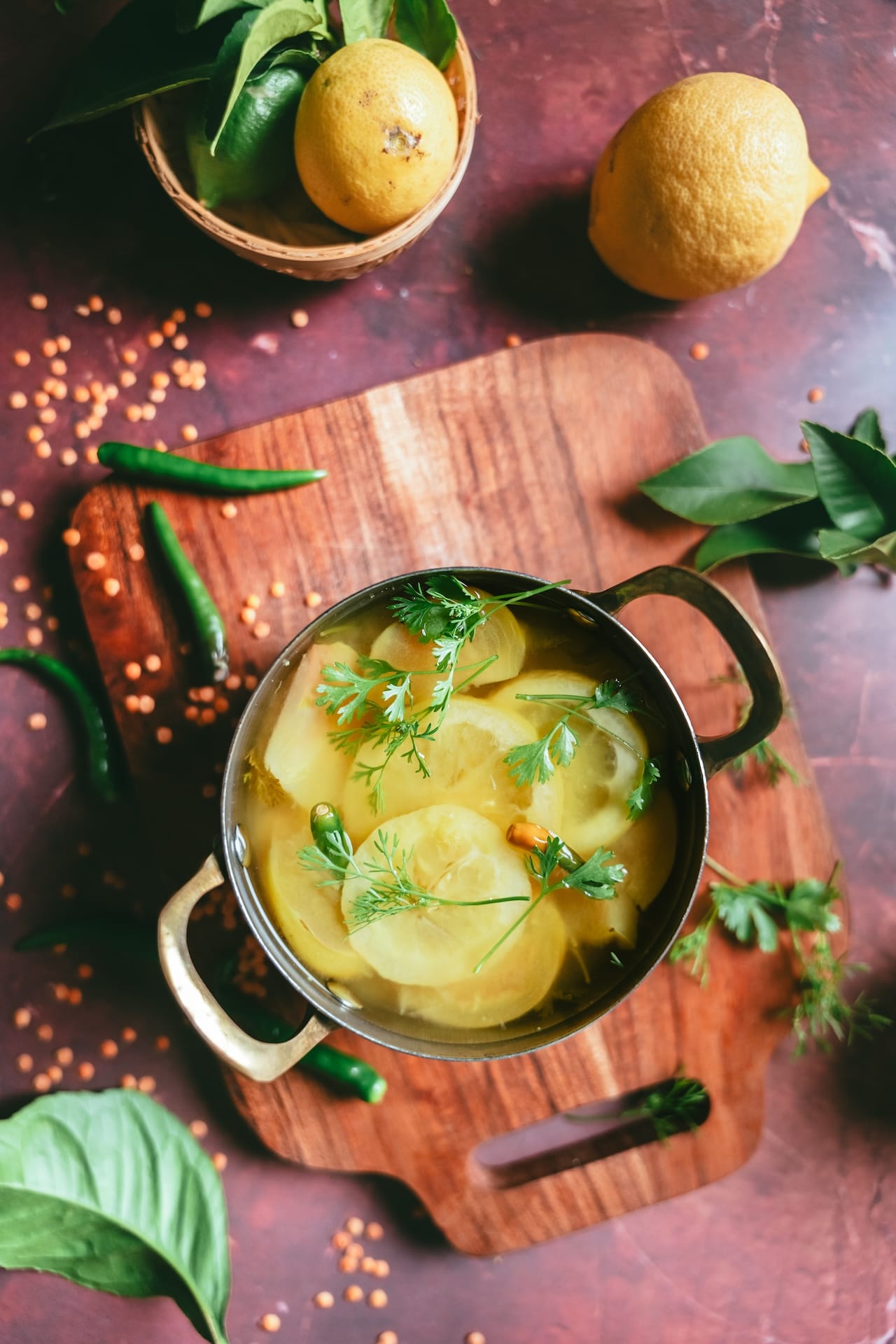
"Lebu" means lemon in Bengali, and this dal celebrates the citrus fruit in its purest form. Unlike heavily spiced lentil preparations, Lebu Dal relies on just a handful of ingredients—red lentils, cumin seeds, fresh lemon slices, green chilies, and cilantro.
What Makes Lebu Dal Special?
The beauty of Lebu Dal lies in its restraint. Instead of masking the flavor of the lentils with a long list of spices, this recipe lets each ingredient shine.
The red lentils provide a creamy, silky base. Green chilies lend gentle heat, while fresh lemon slices slowly infuse the simmering dal with a bright citrus fragrance. A final sprinkle of chopped cilantro adds freshness that ties everything together.
It's proof that extraordinary flavor doesn't require an elaborate spice cabinet.
A Personal Twist
While the traditional recipe is wonderfully minimal, I like adding one green heirloom tomato whenever I have one available. The tomato is entirely optional and not considered a traditional requirement.
A firm green tomato contributes a subtle tartness that complements the lemon beautifully without making the dal acidic. As it cooks, it softens just enough to melt into the broth while still maintaining its fresh character.
I also add two green chilies slit lengthwise, allowing them to gently perfume the dal rather than making it overwhelmingly spicy.
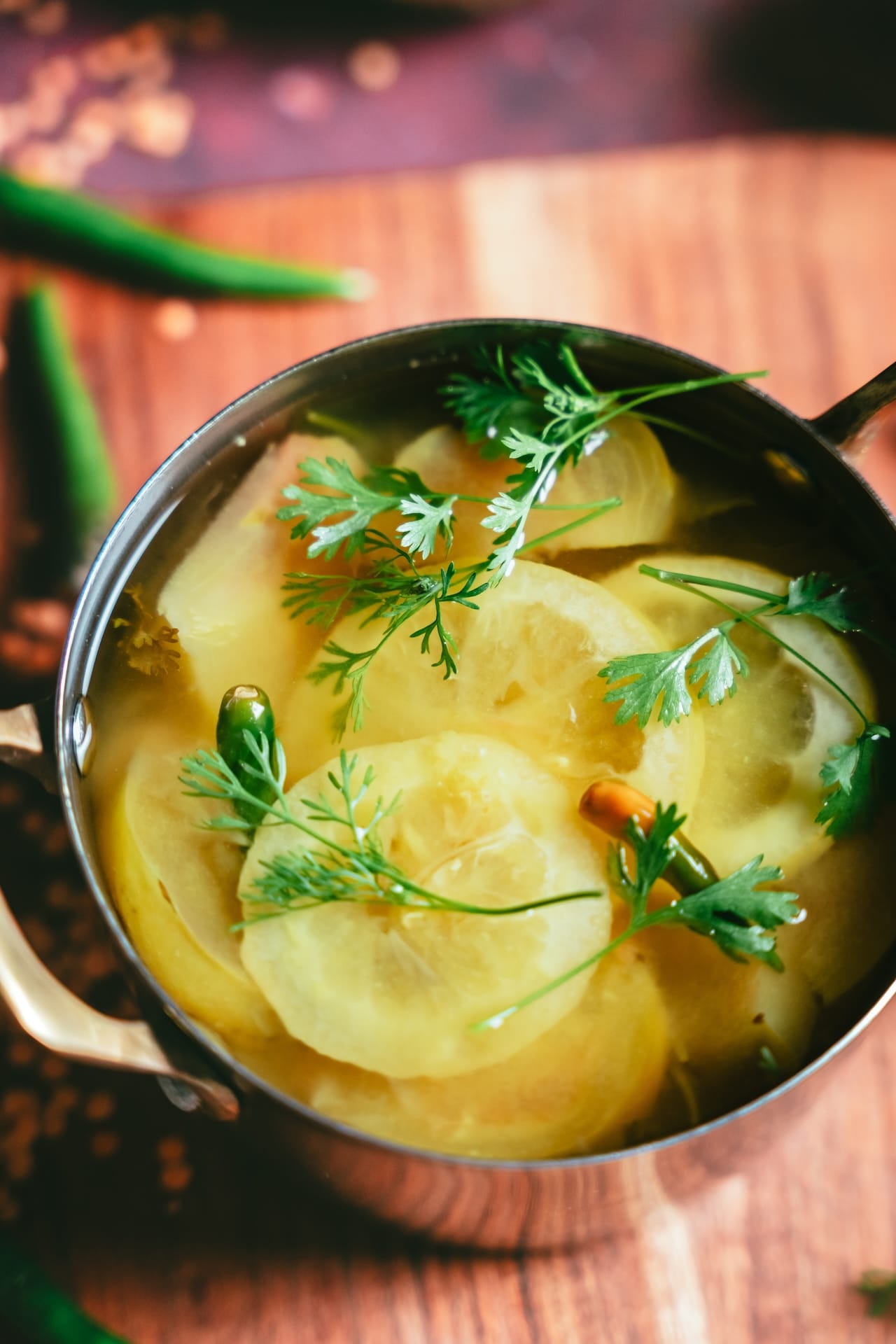
Ingredients for Lebu Dal
Red lentils - Red lentils are small, orange-red legumes that are nutritious and easy to cook. They are rich in protein, fiber, iron, and essential vitamins, making them a healthy choice for people of all ages.
1 green heirloom tomato (optionl) - I like the mild tartness that it adds to the dal.
Few slices of Lemon - Few lemon slices. Remove the seeds of the lemon.
Couple green chili - Fresh green chili adds a mild heat and a beautiful aroma to the dal.
Green Heirloom Tomato (Optional) - While not traditional, I love adding one chopped green heirloom tomato whenever I have one available. It contributes a subtle tanginess that complements the lemon beautifully without overpowering the dish.
Fresh Cilantro leaves - A generous handful of cilantro stirred in at the end brightens the finished dish and adds a fresh herbal finish.
How to Make Bengali Lebu Dal
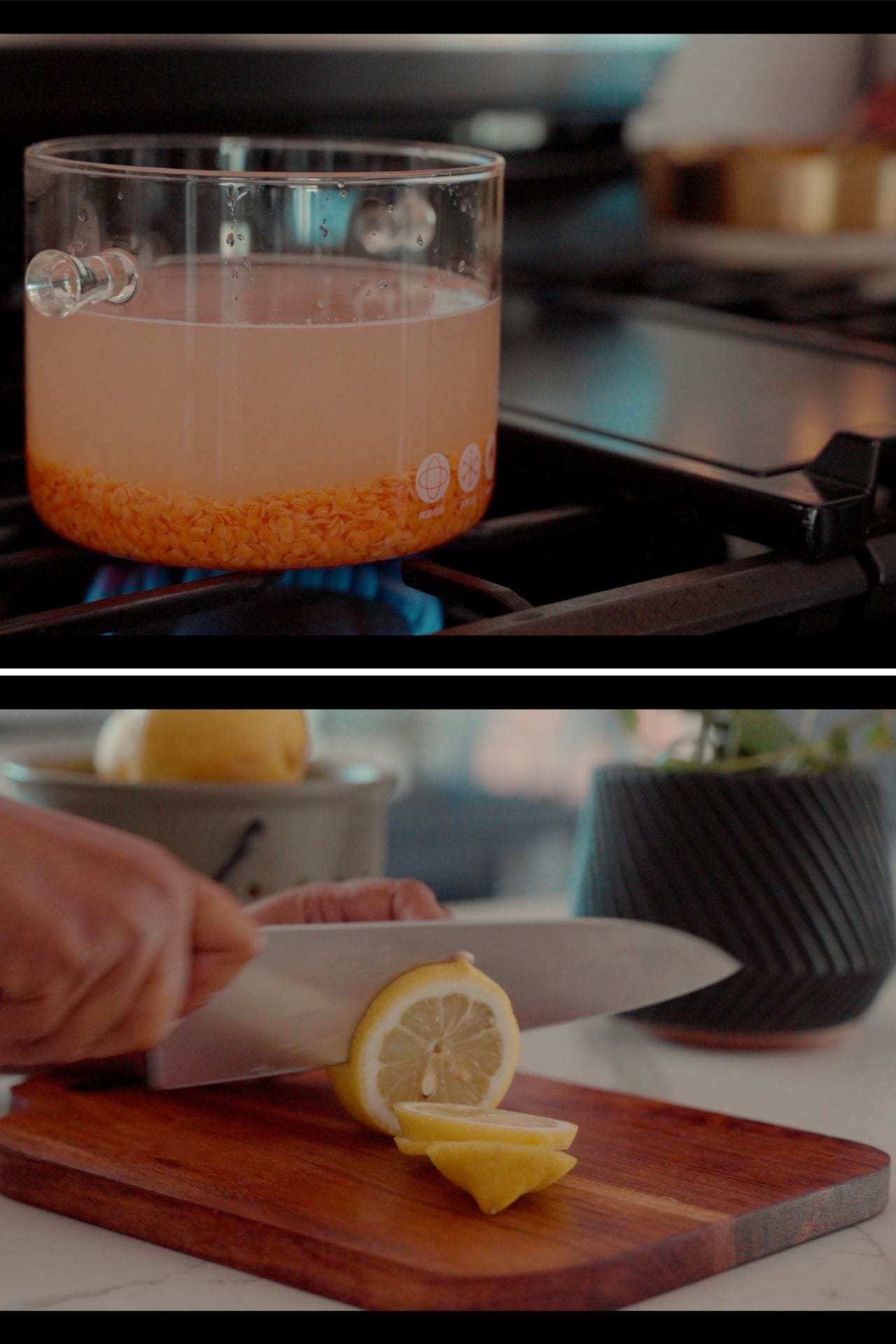
1 - Wash the red lentils a few times and then boil the dal with little salt and turmeric powder.
2 - Thinly slice the lemon and remove the seeds.
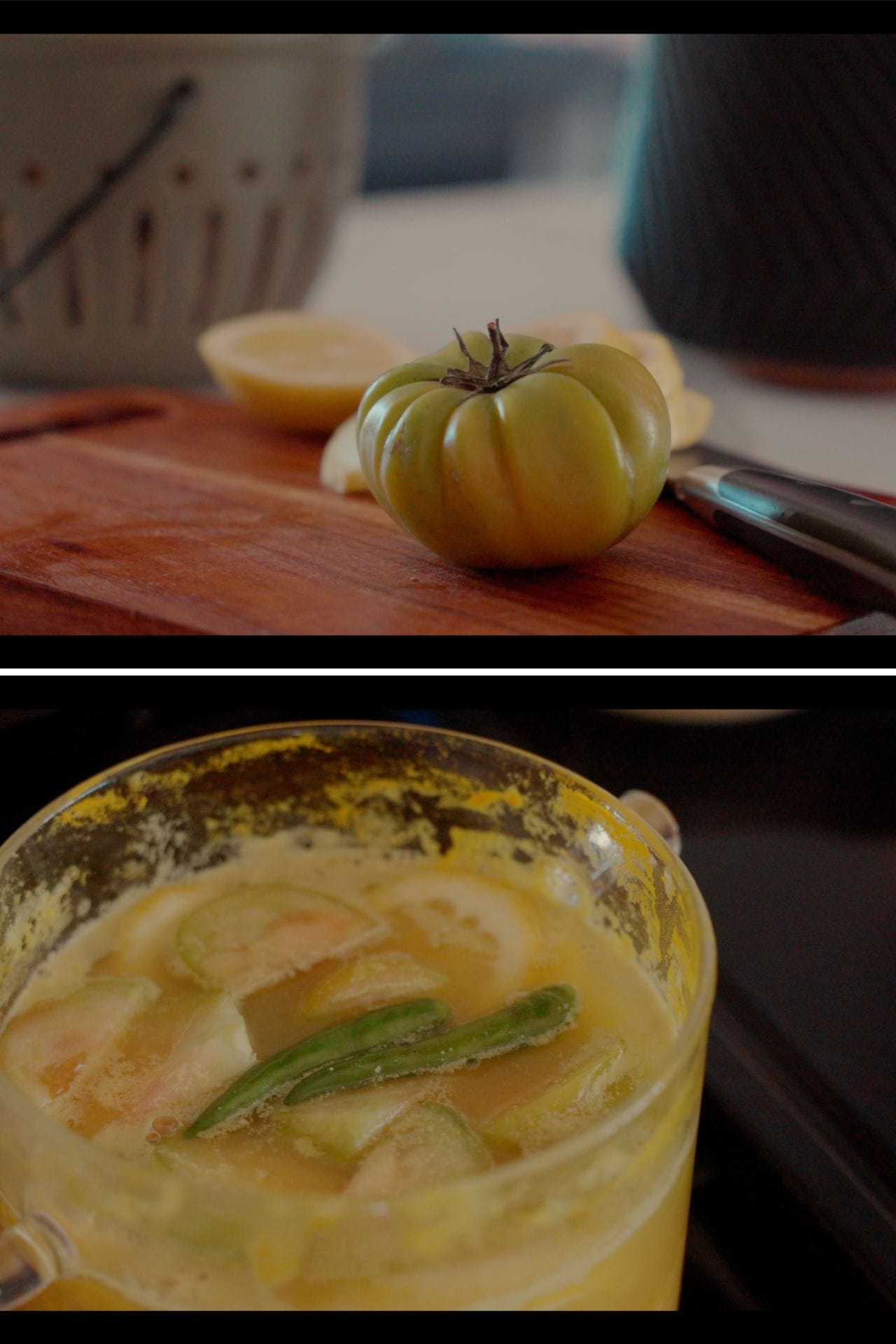
3 - If you are using green tomato, slice into thick wedges.
4 - Once the dal is cooked, add the lemon slices along the tomato (if using) and slit green chili. Let it simmer for 5 minutes.
Finish it by adding cilantro leaves and serve it warm with rice.
Expert Tips for the Best Lebu Dal
- Use fresh lemons instead of bottled juice.
- Slice the lemons thinly so they soften while cooking.
- Don't overcook the lemon slices, which can develop slight bitterness.
- Simmer the dal gently rather than boiling vigorously.
- Adjust the consistency with hot water if the dal thickens too much.
- Fresh cilantro should always be added at the end for maximum flavor.
What Does Lebu Dal Taste Like?
Lebu Dal is creamy, light, mildly earthy, and wonderfully aromatic.
The red lentils create a silky base. The lemon slices add fragrance more than acidity, and the green chilies provide a gentle background heat.
It is one of those rare dishes that feels both refreshing and comforting at the same time.
Serving Suggestions
This Bengali lemon dal pairs beautifully with:
- Steamed basmati rice
- Gobindobhog rice
- Aloo Bhaja (crispy potato fry)
- Begun Bhaja (fried eggplant)
- Fried fish
- Papad
- Mixed vegetable stir-fry
- Simple cucumber salad
Storage and Reheating
Store leftovers in an airtight container in the refrigerator for up to 3 days.
Reheat gently over medium-low heat, adding a splash of water if necessary.
Because the lemon flavor continues to develop overnight, many people enjoy this dal even more the next day.
Freezing is possible for up to two months, although fresh cilantro should always be added after reheating.
Frequently Asked Questions
Traditional Lebu Dal is made with red lentils (masoor dal). Yellow lentils produce a different texture and flavor.
Fresh lemons are strongly recommended. Simmering whole lemon slices gives the dal its characteristic aroma that bottled juice cannot replicate.
No. The green heirloom tomato is simply my personal variation. Traditional Lebu Dal often contains no tomato at all.
Not particularly. The slit green chilies provide gentle warmth rather than intense heat.
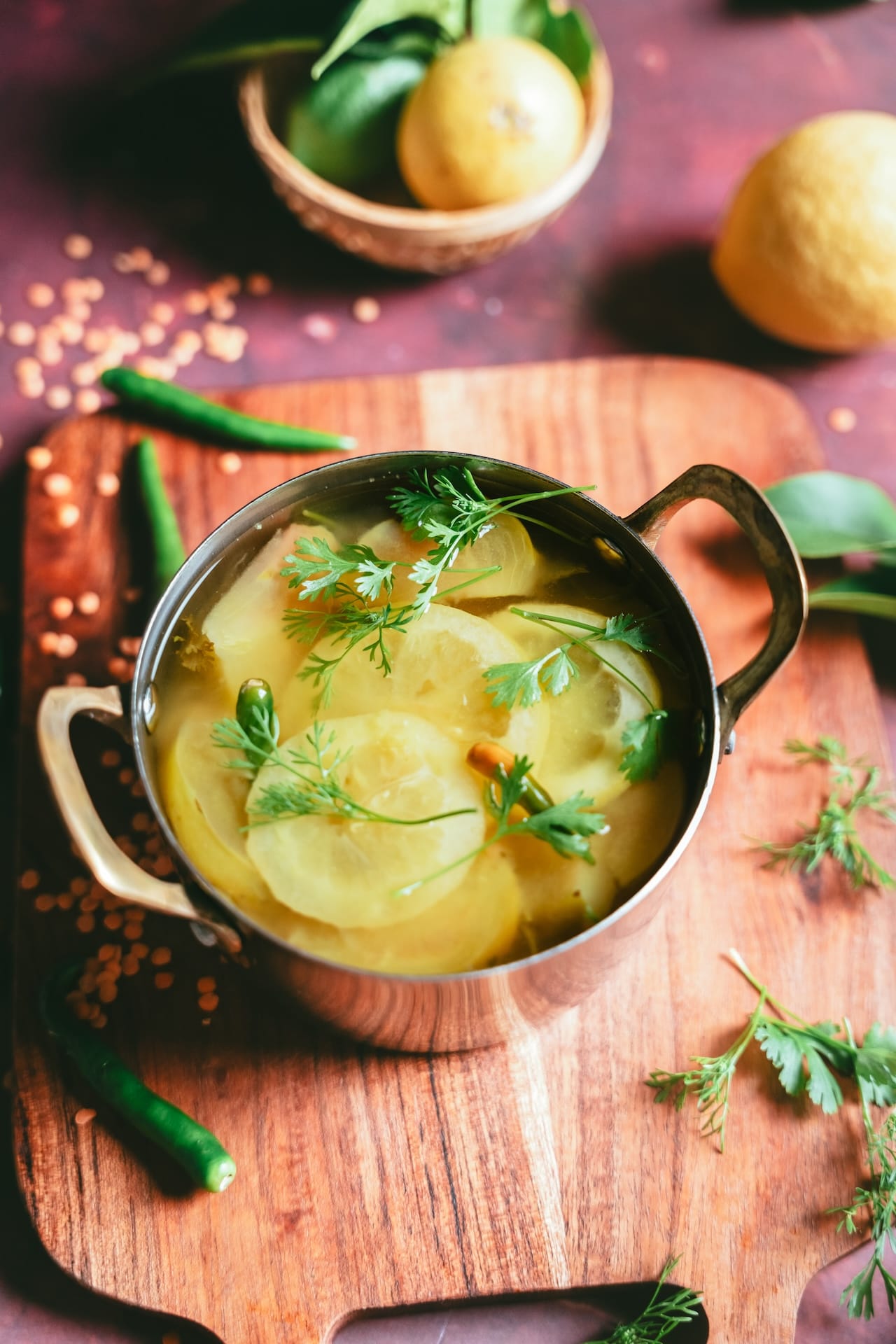
Bengali cuisine has a remarkable way of transforming everyday ingredients into unforgettable meals, and Lebu Dal is a perfect example.
My optional addition of a green heirloom tomato adds another layer of gentle tanginess, but the heart of the dish remains unchanged—comforting, elegant, and unmistakably Bengali.
Whether you're exploring Bengali cooking for the first time or recreating a cherished family favorite, this authentic Bengali Lebu Dal recipe is one you'll return to again and again.
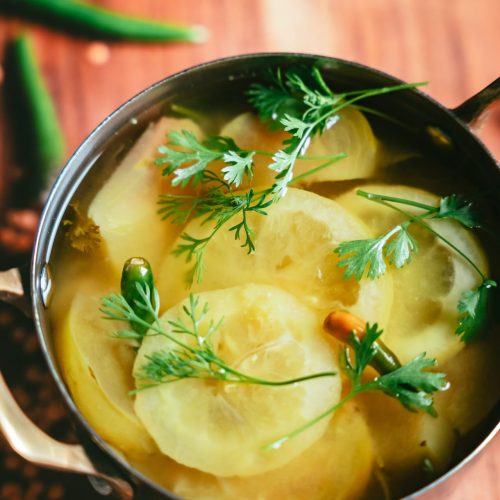
Lebu Dal
Ingredients
- 1 cup Red Lentils
- 1 Small Orange
- 1 Green Tomato (optional)
- 2 Green Chili
- Cilantro to add at the end
- 1 teaspoon Salt
- ¼ teaspoon Turmeric powder
Instructions
- Wash the lentils and add enough water to boil the lentils. Season with salt and turmeric.
- Once it's almost done, add the sliced lemon, tomato wedges and slit green chili. Let it simmer for 10 minutes.
- Finish it with finely chopped cilantro leaves and enjoy with steamed hot rice
Leave a Reply