

Kolkata Egg Roll is one of the most loved Kolkata street foods. Delicious flaky flat bread, covered with egg on one side and filled with a simple salad of onion and cucumber. Little amount of chaat masala is added for flavor and sometimes, a pinch of Indian black salt also goes in. A tiny dollop of ketchup and its wrapped casually. The vendors will always make it fresh and serve piping hot to hungry customers passing by. Kolkata Egg Roll makes for a great meal option too and often, it’s my go to when I am out of dinner ideas.

If you have ever visited Kolkata, you probably know the joy of eating a freshly made egg roll from a roadside stall. The paratha is cooked on a hot tawa, coated with egg, filled with a tangy, crunchy salad, and finished with a little ketchup before being rolled in paper. It is warm, satisfying, and wonderfully messy in the best possible way.
The good news is that you can make Kolkata-style egg roll at home using simple ingredients. In this recipe, I make the paratha from scratch using all-purpose flour to get those lovely layers. The filling stays simple and traditional, with onion, cucumber, green chili, lemon juice, and chaat masala.

What Is Kolkata Egg Roll?
Kolkata egg roll is a popular Bengali street food made by cooking a paratha with egg directly onto a paratha and filling it with sliced vegetables, seasonings, and sauces. The egg forms a thin layer over the paratha, making it different from a regular wrap with scrambled eggs or an omelet inside.
The classic version usually includes thinly sliced red onion, cucumber, green chilies, lemon juice, and chaat masala. Tomato ketchup is a common addition, although different street vendors have their own ways of seasoning and assembling the roll.
The paratha is typically made with maida, or all-purpose flour, and cooked with oil until golden and flaky. Some versions use a single egg, while others include extra eggs or fillings such as chicken and mutton.
Kolkata egg roll is often enjoyed as an evening snack, a quick lunch, or a satisfying meal while exploring the city. It is especially popular during Durga Puja, when food stalls become an essential part of the festive experience.
My Childhood Memories of Kolkata Egg Roll
My first memory of Kolkata egg roll was not actually in Kolkata, but in Shillong, the hill station where I grew up.
We did not have this street food available throughout the year, but during Durga Puja, it was almost guaranteed to appear at the pandals. Every year, the food stalls would serve all kinds of delicious snacks, and egg roll was one of my favorites.
Those four days of Durga Puja meant plenty of eating, meeting friends, walking around the pandals, and enjoying the festive atmosphere. I would happily eat an egg roll every day.
Even now, the combination of flaky paratha, egg, crunchy onion, cucumber, and tangy seasonings brings back those memories. It is such a simple dish, but sometimes the simplest street foods are the ones we remember the most.
Making Kolkata egg roll at home is my way of bringing back a little of that nostalgia whenever I crave familiar Bengali street food.

Ingredients for Kolkata Egg Roll
You only need a handful of everyday ingredients to make this homemade Kolkata egg roll. The recipe has two main components: the layered paratha and the fresh vegetable filling.
For the layered paratha
- All-purpose flour (maida): This creates a soft, pliable dough and helps produce a flaky paratha.
- Sugar: A small amount balances the flavor of the dough.
- Salt: Essential for seasoning the paratha.
- Oil: Oil helps bring the dough together and is also used while cooking the paratha.
- Warm water: Add it gradually to make a soft, smooth dough.
The secret to a good layered paratha is not complicated. The dough needs to be soft, properly rested, and rolled thinly before being folded into layers.
For the egg layer
- Eggs: Use one egg for each roll.
- Salt: A small pinch seasons the egg.
- Oil: Just enough to lightly grease the skillet.
The egg is cooked directly onto the paratha rather than being prepared separately and added as a filling.
For the filling
- Red onion: Thinly sliced onion provides sharpness and crunch.
- Cucumber: Fresh cucumber adds a cool, refreshing contrast to the warm paratha.
- Green chilies: These bring the characteristic heat of street-style egg rolls. Adjust the quantity to your preference.
- Fresh cilantro: A handful of chopped cilantro adds freshness.
- Lemon juice: A squeeze of lemon brightens the filling.
- Chaat masala: This tangy, savory spice blend gives the roll its distinctive street-food flavor.
- Tomato ketchup: A small amount adds sweetness and tang.
The beauty of Kolkata egg roll is that the filling does not need to be cooked. Fresh vegetables, a little seasoning, and the right balance of tangy and spicy flavors are all you need.

How to Make Kolkata Egg Roll at Home
Making an egg roll from scratch takes a little time because the paratha dough needs to rest. Once the dough is ready, however, the rest of the process is straightforward.
Step 1: Prepare the paratha dough
Add the all-purpose flour, sugar, and salt to a mixing bowl. Mix well, then add the oil and rub it into the flour until the mixture looks slightly crumbly.
Gradually add warm water and knead until you get a soft, smooth, and pliable dough. You may not need all the water, so add it little by little.
Rub a little oil over the dough, cover it with a clean kitchen towel, and let it rest for 30 minutes.
Resting is important because it allows the dough to relax, making it much easier to roll thinly without constantly shrinking back.
Step 2: Prepare the onion and cucumber filling
While the dough rests, thinly slice the red onion and cucumber.
If you are using a large cucumber with a thick skin and watery seeds, peel it and remove the seeds if necessary. Smaller cucumbers with tender skin can be sliced without peeling.
Finely chop the green chilies and cilantro, keeping them ready for assembly.
Place the sliced onion and cucumber in a bowl and add the lemon juice. Mix gently and set aside. Keep the filling relatively dry so the paratha does not become soggy.
You can add the chopped chilies and cilantro when assembling each roll, which makes it easier to adjust the heat and seasoning.
Step 3: Create the layers in the paratha dough
Divide the rested dough into six equal portions and shape each portion into a smooth ball. Keep the dough balls covered while you work so that they do not dry out.
Take one dough ball and roll it into a very thin sheet. It does not have to be perfectly round at this stage.
Starting from one edge, fold the thin sheet into small pleats until you have a long, narrow strip of folded dough. Coil this strip into a spiral, similar to a small Swiss roll, and tuck the loose end underneath.
Repeat with the remaining dough portions.
Cover the shaped dough and let it rest for another 5 to 10 minutes. This second rest makes the dough easier to roll into parathas.
Step 4: Roll and cook the layered paratha
Place a heavy-bottomed skillet or cast-iron tawa over medium heat.
Take one coiled dough portion and gently roll it into a thin circle, working from the center outward. Avoid pressing too hard, as you want to preserve the layers as much as possible.
Lightly grease the hot skillet and place the rolled paratha on it.
Cook for about a minute, then drizzle a little oil over the surface and flip. Continue cooking, flipping, and gently pressing the paratha until it develops golden-brown spots and is cooked through.
Pay particular attention to the edges, which can take longer to cook than the center.
The finished paratha should be golden, flexible, and lightly flaky, with enough structure to hold the egg and filling without breaking.
Remove it from the skillet and repeat with the remaining dough portions.
Step 5: Cook the egg onto the paratha
This is the step that gives Kolkata egg roll its signature texture.
Crack one egg into a small bowl, add a tiny pinch of salt, and whisk well.
Lightly grease the skillet over medium heat. Pour the beaten egg onto the pan and spread it into a thin layer.
Immediately place the cooked paratha over the egg. Gently move it around and press lightly so the egg adheres to the underside of the paratha.
Allow the egg to set, then carefully flip the paratha so the egg side is facing upward. Cook briefly until the egg is fully set.
The egg should form a thin, even layer rather than a thick omelet. This allows the flavors of the paratha and filling to come through.
Repeat with the remaining parathas and eggs.
Step 6: Add the filling and seasonings
Place the egg-coated paratha on a plate or clean work surface with the egg side facing upward.
Arrange a line of sliced onion and cucumber down the center. Add chopped green chili and cilantro according to your taste.
Sprinkle with chaat masala, squeeze over a little lemon juice if desired, and finish with a small amount of tomato ketchup.
Do not spread the filling all the way to the edges. Leaving a little space makes it easier to roll the paratha neatly.
Fold the bottom edge of the paratha slightly inward, then roll it firmly around the filling.
Wrap the lower half in parchment paper or food-safe wrapping paper to help hold everything together. This also makes the egg roll easier to eat without the filling falling out.
Serve immediately while the paratha is still warm, the egg is tender, and the vegetables remain fresh and crunchy.
Tips for Making the Best Kolkata Egg Roll
1. Make a soft dough
A stiff dough is difficult to roll thinly and can produce a tough paratha. Add the water gradually until the dough feels soft and pliable without becoming sticky.
2. Do not skip the resting time
The initial 30-minute rest helps relax the gluten in the dough. The shorter rest after shaping the coils makes the dough easier to roll without springing back.
3. Roll the dough thinly
Thinly rolled dough helps create a lighter paratha with distinct layers. Try to keep the thickness even so the paratha cooks uniformly.
4. Use a properly heated skillet
A skillet that is too cool can leave the paratha pale and greasy, while excessive heat can brown the outside before the inside cooks through. Medium heat is a good starting point, although you may need to adjust it for your stove.
5. Prepare the filling just before serving
Onion and cucumber release moisture after being salted or mixed with acidic ingredients. Keep the filling fresh and avoid letting it sit for too long.
6. Cook the egg in a thin layer
Spread the beaten egg quickly over the skillet and place the paratha on it immediately. This helps the egg adhere evenly and prevents it from becoming a separate, thick layer.
7. Do not overfill the roll
It is tempting to add lots of vegetables and sauce, but too much filling makes the roll difficult to wrap and eat. A modest amount of crunchy salad in the center gives you a better balance in every bite.
8. Serve it hot
Kolkata egg roll is at its best straight from the skillet. The paratha stays flaky, the egg remains tender, and the cucumber and onion retain their crunch.
What Kind of Paratha Is Best for Kolkata Egg Roll?
A layered paratha made with all-purpose flour is my preferred choice for this recipe. Its soft, flaky texture works particularly well with the egg coating and fresh filling.
A homemade layered paratha does require extra preparation, but it gives the egg roll a lovely texture.
If you are short on time, you can use a plain homemade paratha or a good-quality store-bought paratha. The flavor and texture will be slightly different, but you can still enjoy a delicious homemade egg roll.
For a quicker weekday version, a plain roti or tortilla can also work. Keep in mind that these substitutes will not have the same flaky layers as the traditional version.
Variations of Kolkata Egg Roll
One of the reasons this street food is so popular is that it can be adapted to different tastes and appetites.
Kolkata egg roll with extra egg
Use two eggs instead of one for a richer, more substantial roll. Depending on the size of the paratha, you may need to cook the eggs in a slightly thicker layer.
Kolkata chicken egg roll
Add a small portion of cooked, seasoned chicken to the onion and cucumber filling. Keep the chicken relatively dry so the paratha does not become soggy.
Kolkata mutton roll
Cooked, spiced mutton can turn this simple snack into a hearty meal. Add the meat in a manageable quantity and balance its richness with lemon juice, onion, and fresh chilies.
Spicy egg roll
Increase the green chilies and add your preferred chili sauce if you enjoy a hotter roll. Start with a small quantity so the heat does not overpower the egg and paratha.
Whole-wheat egg roll
You can substitute whole-wheat flour for all-purpose flour, or experiment with a combination of the two. The paratha will have a different texture and flavor, and it may be less flaky than the all-purpose flour version.
What to Serve with Kolkata Egg Roll
Kolkata egg roll is satisfying enough to enjoy on its own, especially as an evening snack or quick lunch.
If you are serving it as part of a larger street-food spread, try pairing it with other Bengali favorites.
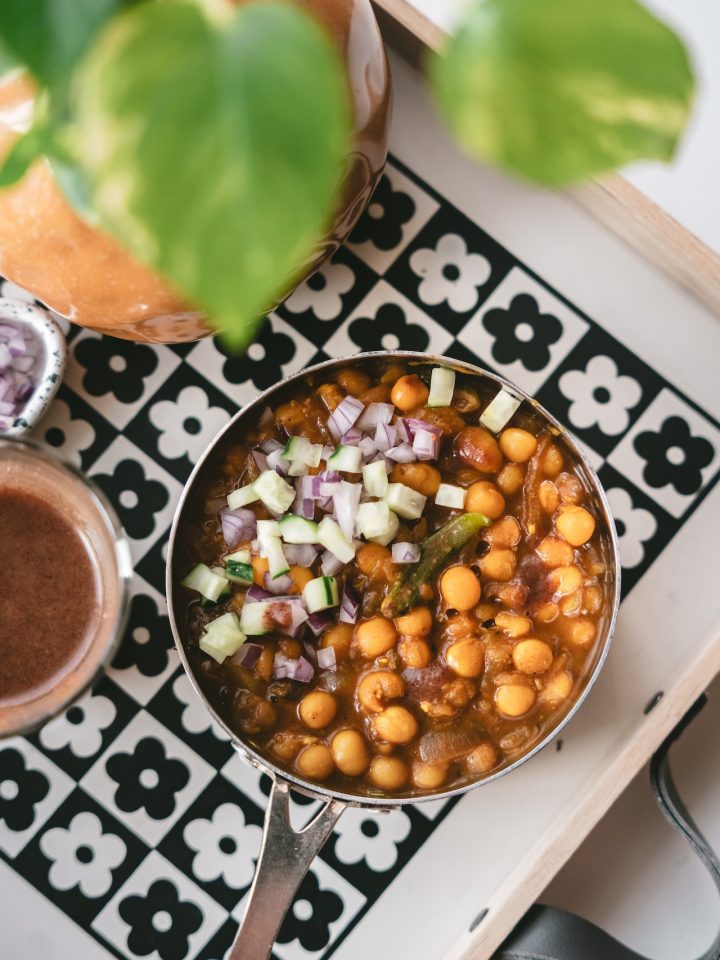
- Bengali Ghugni Recipe: A spiced yellow or white pea preparation that makes a wonderful addition to a Bengali snack spread. Link to the existing Bengali ghugni recipe on Playful Cooking.
- Masala chai: A warm cup of tea is a lovely accompaniment for an afternoon snack.
- Fresh lime soda: A refreshing drink balances the spicy, tangy filling.
- Simple salad: Extra cucumber, onion, and lemon can be served on the side for a lighter meal.
For a Durga Puja-inspired menu, serve egg rolls alongside other familiar Bengali snacks and sweets. It is a simple way to recreate some of the flavors and atmosphere of a Kolkata street-food stall at home.
Can You Make Kolkata Egg Roll Ahead of Time?
You can prepare some components ahead, but I recommend assembling the rolls just before serving.
The dough can be made in advance and refrigerated in a covered container. Bring it toward room temperature before shaping and rolling, so it is easier to work with.
You can also slice the vegetables a few hours ahead and refrigerate them separately. For the best texture, add the lemon juice and final seasonings close to serving time.
Cooked parathas can be cooled completely and refrigerated in an airtight container if you plan to use them soon. Reheat them in a skillet before adding the egg.
Once the egg roll is assembled, it is best eaten immediately. The moisture from the vegetables and sauces gradually softens the paratha.
Frequently Asked Questions About Kolkata Egg Roll
Not exactly. A typical egg wrap may contain scrambled eggs or an omelet inside a tortilla. In Kolkata egg roll, the egg is cooked directly onto the paratha, forming a thin layer that becomes part of the wrapper.
Kathi roll is a broader category of Kolkata-style wrapped street food, often containing kebabs or other cooked fillings. Egg roll specifically refers to a version in which egg is cooked onto the paratha. The names and fillings can overlap in everyday use.
A paratha may become hard if the dough is too stiff, the dough has not rested sufficiently, or the paratha is cooked for too long over high heat. Make a soft dough, allow it to rest, and cook over medium heat until golden and cooked through.
For the best texture, store leftover components separately whenever possible. Refrigerate cooked paratha and cooked egg promptly in airtight containers, and keep the fresh vegetables separate. Reheat the cooked components thoroughly and assemble with fresh filling. Fully assembled rolls are best eaten fresh.
Kolkata egg roll is one of those street foods that proves you do not need complicated ingredients to create something memorable. The combination of flaky paratha, a tender egg layer, crunchy vegetables, tangy lemon juice, and chaat masala is simple but incredibly satisfying.
Although making the layered paratha from scratch takes a little extra time, the result is worth it. Once you get comfortable with the dough and the egg-coating technique, you can make these rolls whenever you crave a taste of Bengali street food.
Serve them hot, wrap them in paper just like the street vendors do, and enjoy a little taste of Kolkata at home.

Kolkata Egg Roll
Ingredients
For the Paratha
- 1 cup All purpose flour
- 1 teaspoon Salt
- 1 teaspoon Sugar
- 1 tablespoon oil or ghee
- Water to make the dough
- Oil to cook the paratha
For Egg
- Salt to taste
- Freshly cracked pepper
Onion Cucumber Salad
- ½ Onion
- 1 Small Cucumber
- salt to taste
Other Ingredients
- Chaat Masala
- Ketchup
Instructions
Prepare the Dough
- In a mixing bowl, add the flour along with salt and sugar. Give a mix.
- Add the ghee and mix it to incorporate the ghee evenly.
- Pour water little by little as you make the dough. Once the dough is ready, cover the dough balls with damp kitchen towel. Leave it aside for 30 minutes
- After 30 minutes, divide the dough into 4 balls.
- Roll out each of the balls into a thin circular shape. Drizzle little oil and sprinkle flour on top and spread it out.
- Starting from one edge, fold the thin sheet into small pleats until you have a long, narrow strip of folded dough. Coil this strip into a spiral, similar to a small Swiss roll, and tuck the loose end underneath.
- Repeat with the remaining dough portions.Cover the shaped dough and let it rest for another 15 minutes. This second rest makes the dough easier to roll into parathas.Let the
Preparing the Paratha
- Place a heavy-bottomed skillet or cast-iron tawa over medium heat.Take one coiled dough portion and gently roll it into a thin circle, working from the center outward. Avoid pressing too hard, as you want to preserve the layers as much as possible.
- Lightly grease the hot skillet and place the rolled paratha on it.Cook for about a minute, then drizzle a little oil over the surface and flip. Continue cooking, flipping, and gently pressing the paratha until it develops golden-brown spots and is cooked through.
- Pay particular attention to the edges, which can take longer to cook than the center.
- The finished paratha should be golden, flexible, and lightly flaky, with enough structure to hold the egg and filling without breaking.Remove it from the skillet and repeat with the remaining dough portions.
Prepare the Egg Roll
- This is the step that gives Kolkata egg roll its signature texture.Crack two eggs into a small bowl, add a tiny pinch of salt, and whisk well.Lightly grease the skillet over medium heat. Pour the beaten egg onto the pan and spread it into a thin layer.
- Immediately place the cooked paratha over the egg. Gently move it around and press lightly so the egg adheres to the underside of the paratha.Allow the egg to set, then carefully flip the paratha so the egg side is facing upward. Cook briefly until the egg is fully set.
- Repeat with the remaining parathas and eggs.
Add the filling and seasonings
- Place the egg-coated paratha on a plate or clean work surface with the egg side facing upward.
- Arrange a line of sliced onion and cucumber down the center. Add chopped green chili and cilantro according to your taste.
- Sprinkle with chaat masala, squeeze over a little lemon juice if desired, and finish with a small amount of tomato ketchup.Do not spread the filling all the way to the edges. Leaving a little space makes it easier to roll the paratha neatly.
- Fold the bottom edge of the paratha slightly inward, then roll it firmly around the filling.Wrap the lower half in parchment paper or food-safe wrapping paper to help hold everything together. This also makes the egg roll easier to eat without the filling falling out.
- Serve immediately while the paratha is still warm, the egg is tender, and the vegetables remain fresh and crunchy.
Aparna Somani
Finally made it. !!!!!! And by god I’m in love
aparna somani
i make a version of it but with plain paratha. Ur paratha sounds like the missing link!! gonna try real soon!
Ajoke
These looks divine. I love the fact that you can make it your own. I will definitely be making some soon.
Ajoke
I made this recipe but with tortilla wrap. It so delicious and my whole family loved it. Thank you again for the recipe
mjskitchen
I love your egg roll and it has inspired me to see so many possibilities for this wrap. Love it!
Arpita
Gorgeous pictures! Roll is one of my comfort food.. they look absolutely scrumptious.
Matt - Total Feasts
Wow, oh wow, oh wow. These look amazing! I just want to grab one (ok, two) and devour!
Ron
Hi Kankana, I just discovered your blog via David's Spiced blog and I'm so glad I did. During my working years, I visited Kolkata numerous times. I always stayed at the Taj which was about two hours away from the office in rush hour traffic but only about 15 minutes walk. So, I always walked and stopped at a street vendor not far from the hotel to get breakfast. I have had this wonderful dish more than once and I'm so glad to learn that I can replicate it in my Swedish kitchen. Great site, I'll be back...
Kankana Saxena
Hi Ron, Thank you so much for dropping by and sharing your story. Traffic in that road is always so bad that walking turns out to be much easier. Am so glad you tried the street food in Kolkata, it's the best. I truly hope you will try making this in your kitchen and I am curious to see how you liked it 🙂 My cookbook Taste of Eastern India is all about food from Kolkata. Hope you will grab a copy, I am sure you will find few such dishes that you might have tried during your stay in Kolkata.
David @ Spiced
I'm not familiar with this egg roll, but the flavors sound delicious! I love street food in all forms, so I could totally get behind this one. Plus, I eat an egg every day for lunch...now I just need to switch up how I eat it!
angiesrecipes
They look so inviting! And I love the simplicity of this recipe too.
Nomita | Ebabee
I am so happy to have discovered your beautiful blog. Your recipes look great - I especially loved the easy (no yeast) naan recipe. I look forward to trying that very soon. I too am Indian (from Mumbai) but now settled in London. I love cooking and eating - all kinds of food. For me, happiness is an abundant table surrounded by friends and family. I am so looking forward to exploring more and trying out some of your recipes.
Cygnet Kitchen
I am always up for street food! January needs a lift and your egg roll definitely does the trick! Gorgeous shots as always too! x
Laura (Tutti Dolci)
A little street food sounds just perfect to me! 🙂
Pang {circahappy}
I sure am going to break all the rules with this recipe + drool-worthy photos. 🙂
Though I don't think I obey the 'January detox rule" to begin with anyway.
Lone this post, Kankana
angiesrecipes
Scrumptious! Beautiful photography, as always!
Kimberly/TheLittlePl
These look delicious! And I don't think they are that 'naughty' actually so perfect for January ;). Thanks for sharing a piece of Kolkata food culture with us.