

Khejur Gurer Payesh is one of those Bengali desserts that instantly reminds me of winter, family celebrations, and the comforting aroma of milk slowly simmering on the stove. Made with aromatic short-grain rice, creamy whole milk, and fragrant date palm jaggery, this traditional Bengali rice pudding is simple in its ingredients but extraordinary in its flavor.
Known as Nolen Gurer Payesh or Patali Gurer Payesh, depending on the type of jaggery used, this beloved Bengali dessert is especially popular during winter, when fresh date palm jaggery makes its much-anticipated appearance.
Khejur Gurer Payesh is a celebratory rice pudding
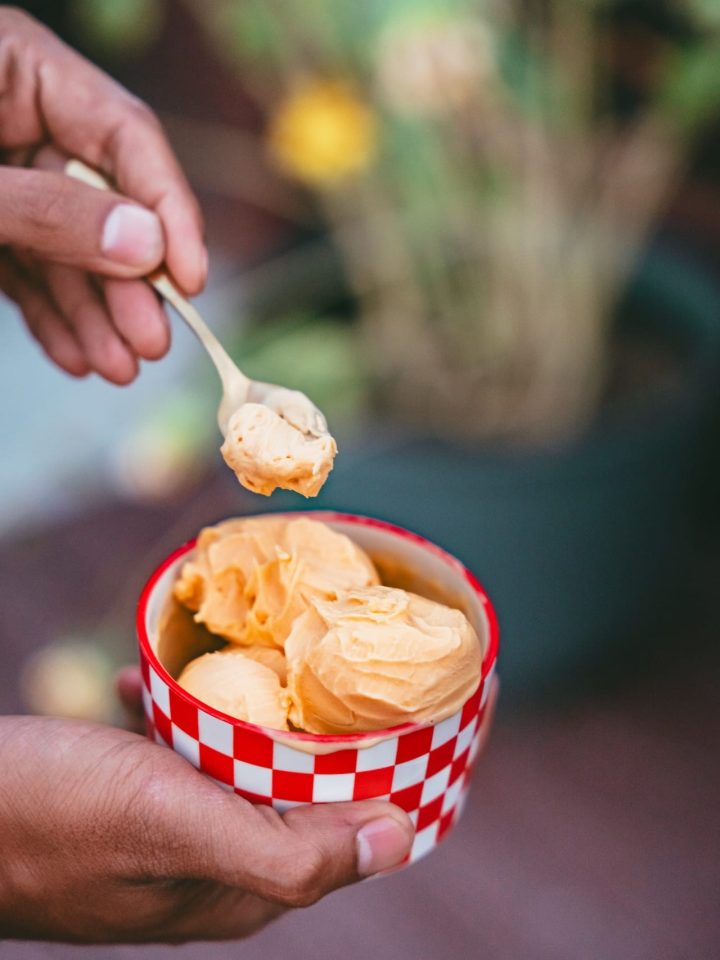
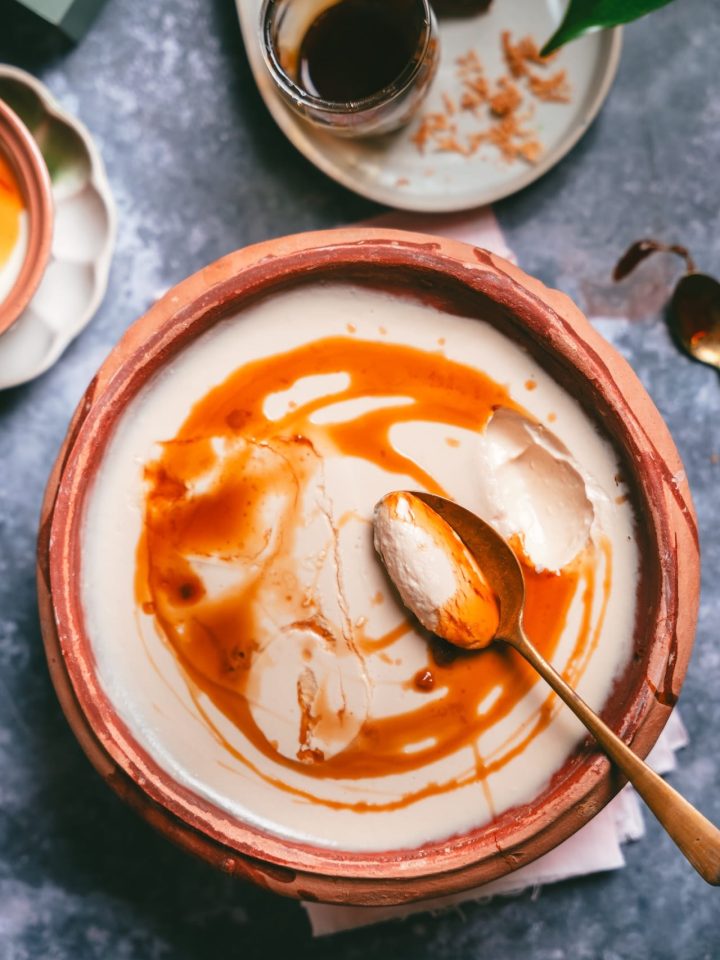
Unlike regular rice pudding sweetened with sugar, Khejur Gurer Payesh has a distinctive caramel-like aroma, a beautiful golden-brown color, and a deep, earthy sweetness. Every spoonful is creamy, fragrant, and comforting.
Growing up, I don't remember many special occasions when payesh wasn't part of the celebration. Birthdays, family gatherings, festivals, and important milestones often called for a pot of homemade payesh. It is more than just a dessert in a Bengali household. It is a tradition that connects food with memories, family, and celebration.
This is my stovetop recipe for Bengali Khejur Gurer Payesh, made slowly with a few simple ingredients. The secret is to let the milk reduce gently, allow the rice to cook completely, and add the date palm jaggery at the right time for a smooth, creamy pudding.
What Is Khejur Gurer Payesh?
Khejur Gurer Payesh is a traditional Bengali rice pudding made by simmering rice in milk until the grains are tender and the milk becomes creamy. The pudding is then sweetened with khejur gur, which is date palm jaggery.
The word khejur refers to date palm, gur means jaggery, and payesh is the Bengali word for a sweet milk pudding, commonly prepared with rice.
This dessert is closely associated with winter in Bengal because date palm jaggery is traditionally produced during the cooler months. The jaggery gives the pudding its characteristic fragrance, warm brown color, and rich sweetness.
Although the basic ingredients are rice, milk, and jaggery, the quality of each ingredient makes a noticeable difference. Aromatic rice contributes a delicate fragrance, whole milk creates a rich texture, and good-quality date palm jaggery provides the distinctive flavor that makes this dessert so special.
Khejur Gurer Payesh is delicious served slightly warm, at room temperature, or chilled. As it rests, the rice continues to absorb the milk, making the pudding thicker and creamier.

Why You Will Love This Bengali Payesh Recipe
Authentic Bengali flavor: Date palm jaggery gives this rice pudding a distinctive aroma and flavor that ordinary sugar cannot replicate.
Simple ingredients: You need only rice, whole milk, jaggery, a few spices, cashews, and raisins.
Naturally gluten-free ingredients: Rice, milk, jaggery, nuts, and spices are naturally gluten-free, provided your ingredients are not cross-contaminated.
Perfect for celebrations: Serve it for birthdays, family gatherings, festivals, and special meals.
A wonderful winter dessert: This is one of the most comforting ways to enjoy seasonal Bengali date palm jaggery.
Easy stovetop preparation: No oven or special equipment is needed. A heavy-bottomed pan and a little patience are all you need.
What Is Khejur Gur or Nolen Gur?
Khejur gur is jaggery made from the sap of the date palm tree. In Bengal, the sap is traditionally collected during the cooler months and boiled down to create a concentrated sweetener with a distinctive aroma.
There are two common forms of date palm jaggery that you may encounter.
Nolen Gur or Jhola Gur
Nolen gur is often associated with fresh date palm jaggery, prized for its delicate fragrance and rich flavor. When sold in a liquid or semi-liquid form, it is also commonly called jhola gur.
Its flavor can be wonderfully complex, with notes reminiscent of caramel and molasses. It is used in many Bengali winter sweets, including payesh, sandesh, and other traditional desserts.
Patali Gur
Patali gur is the solid form of date palm jaggery, typically molded into cakes or discs. It is convenient to store and use throughout the season.
For this recipe, I use grated date palm jaggery so that it melts easily into the warm pudding.
Both forms work well for Khejur Gurer Payesh. The exact sweetness, color, and aroma will vary depending on the jaggery you use.
Where can you buy date palm jaggery?
Look for khejur gur, nolen gur, or patali gur at Bengali and other South Asian grocery stores, especially during the winter season. Specialty Indian grocery stores and online South Asian food retailers may also carry it.
If you are shopping outside India or Bangladesh, availability can vary by season and supplier. Check the ingredient label to make sure you are buying date palm jaggery rather than ordinary cane jaggery.

What kind of rice is used?
Traditionally, we use Gobindobhog or Kalijeera rice. These are short grain aromatic rice. You can use any variety of short grain rice you can find.
Ingredients for Khejur Gurer Payesh
You only need a handful of ingredients to make this traditional Bengali rice pudding. Each one plays an important role in creating the final flavor and texture.
1. Short-Grain Aromatic Rice
Traditionally, Bengali payesh is often prepared with Gobindobhog rice, a fragrant, short-grain rice known for its distinctive aroma. Kalijeera rice is another aromatic variety that works well.
These varieties cook beautifully in milk and contribute starch that helps create a naturally creamy pudding without needing cream or other thickeners.
If you cannot find Gobindobhog or Kalijeera rice, use another short-grain rice available to you. The flavor and texture may be slightly different, but the pudding will still be delicious.
2. Whole Milk
Milk forms the base of the pudding, so I recommend using whole milk for the richest result.
You will need 1 liter of milk. As it simmers, some of the water evaporates and the milk becomes more concentrated. The rice releases starch as it cooks, giving the pudding its characteristic creamy texture.
Avoid rushing this step. Slow simmering is what makes homemade payesh taste so comforting.
3. Date Palm Jaggery
You will need ½ cup of grated date palm jaggery.
This is the ingredient that transforms ordinary rice pudding into Khejur Gurer Payesh. It gives the dessert its distinctive sweetness, fragrance, and amber-brown color.
Jaggery varies in sweetness and moisture, so start with the recommended amount and adjust to taste.
Most importantly, add the jaggery only after the rice has cooked completely and the pan has been removed from the heat. Milk can split when jaggery is added under unsuitable conditions, so allowing the pudding to cool slightly first helps reduce that risk.
4. Bay Leaves
Two bay leaves add a subtle, warm fragrance to the milk as it simmers. They complement the aroma of the rice and jaggery without overpowering the dessert.
Remove them before serving if you prefer.
5. Green Cardamom
Four green cardamom pods add a gentle floral fragrance. You can lightly crush the pods to release more of their aroma.
Cardamom is a classic flavoring for Indian milk desserts and pairs beautifully with date palm jaggery.
6. Cashews
Use ¼ cup of cashews for a little richness and texture. They add a pleasant nutty contrast to the soft rice and creamy milk.
You can leave them out if you prefer a smoother pudding or need to accommodate a nut allergy.
7. Raisins
Use ¼ cup of raisins for small bursts of sweetness. They soften as they sit in the warm pudding and complement the deep flavor of the jaggery.
The cashews and raisins are optional, but I enjoy the combination because it gives the pudding a little extra texture.
How to Make Khejur Gurer Payesh
Making Bengali rice pudding is straightforward, but the process rewards patience. Give the milk enough time to reduce and make sure the rice is fully cooked before adding the jaggery.
Step 1: Wash and Soak the Rice
Wash the rice in a few changes of water to remove excess surface starch and any impurities. Soak it for 15 minutes, then drain thoroughly.
Soaking helps the grains cook more evenly. Do not leave the rice soaking for too long, as it can become fragile and break more easily during cooking.
Step 2: Simmer the Milk
Pour the whole milk into a heavy-bottomed pan. Add the bay leaves and green cardamom pods.
Bring the milk to a boil over medium heat, keeping an eye on it so that it does not boil over. Reduce the heat and simmer for approximately 15 minutes, stirring occasionally.
As the milk simmers, scrape down any milk solids that collect along the sides of the pan and stir them back in.
This gentle reduction concentrates the milk and helps build the flavor of the pudding.
Step 3: Add the Rice
Drain the soaked rice and add it to the simmering milk.
Keep the heat at medium-low and stir occasionally, making sure to scrape along the bottom of the pan. Rice can settle and stick as the milk thickens, so do not leave the pan unattended for long periods.
Cook for approximately 15 to 20 minutes, or until the rice is completely tender and the milk has become creamy.
The exact cooking time depends on the rice variety, the pan, and the heat level.
Important: Do not add the jaggery yet. The rice needs to cook completely in the milk before the sweetener is added.
Step 4: Check the Texture
Check a few grains of rice before moving to the next step. They should be soft all the way through, with no hard center, but should still retain some shape.
The milk should look thicker than it did at the beginning, and the rice should be surrounded by a creamy sauce.
Remember that payesh thickens further as it cools. If the pudding already looks very thick, you can loosen it later with a little warm milk.
Step 5: Add the Jaggery, Cashews, and Raisins
Turn off the heat and move the pan away from the hot burner.
Allow the pudding to cool slightly before adding the grated date palm jaggery. This is especially important when working with milk and jaggery, as the milk may split if the mixture is too hot or the jaggery contains impurities.
Stir gently until the jaggery dissolves and the pudding takes on a beautiful golden-brown color.
Add the cashews and raisins, then stir to distribute everything evenly.
Cover the pan and let it rest for about five minutes so the flavors can blend.
Step 6: Adjust and Serve
Give the pudding a final stir and taste it. If you prefer a sweeter payesh, you can add a little more jaggery, allowing it to dissolve gently into the warm mixture.
Check the consistency before serving. If it has become too thick, stir in a little warm milk until it reaches your preferred texture.
Serve warm, at room temperature, or chilled.
I especially enjoy letting the pudding cool for a while before serving, because the flavors settle and the texture becomes wonderfully creamy.

Expert Tips for Perfect Khejur Gurer Payesh
A few small details can make a big difference when preparing this traditional Bengali dessert.
Use a Heavy-Bottomed Pan
Milk can scorch easily, especially as it reduces. A heavy-bottomed saucepan or kadai distributes heat more evenly and makes it easier to cook the pudding without burning the bottom.
Do Not Rush the Milk
Let the milk simmer gently before adding the rice. This helps concentrate its flavor and creates a richer base.
Keep the heat controlled rather than allowing the milk to boil vigorously throughout the cooking process.
Stir Regularly
Stir more frequently as the milk thickens and the rice begins releasing starch. Pay particular attention to the bottom and corners of the pan, where milk solids can collect.
Cook the Rice Before Adding Jaggery
This is the most important step in the recipe.
Adding jaggery too early can interfere with how the rice softens. It can also increase the risk of the milk splitting. Wait until the rice is fully cooked, turn off the heat, and allow the mixture to cool slightly before adding the jaggery.
Adjust the Sweetness Gradually
Different varieties of date palm jaggery have different levels of sweetness. Start with ½ cup and add more only if needed.
The natural fragrance of good-quality khejur gur should be noticeable without making the pudding overwhelmingly sweet.
Keep the Final Consistency Slightly Loose
Payesh thickens as it cools because the rice continues absorbing moisture. If you plan to serve it chilled, stop cooking while the pudding is slightly looser than your desired final consistency.
Choose Good-Quality Jaggery
The jaggery is the star of this dessert. Fresh, fragrant date palm jaggery gives the pudding a more distinctive flavor than generic jaggery or brown sugar.

The Tradition of Payesh in Bengali Celebrations
Payesh has a special place in Bengali food culture. It is traditionally prepared for birthdays, anniversaries, family gatherings, and auspicious occasions.
In many Bengali families, a sweet rice pudding is also associated with annaprashan, the ceremony marking a baby's first introduction to solid food.
The ingredients may be simple, but the ritual of preparing payesh carries a sense of care and celebration. Someone stands by the stove, patiently stirring the milk, watching the rice soften, and adjusting the sweetness until everything comes together.
Khejur Gurer Payesh adds another layer of nostalgia because its flavor is closely associated with the winter season in Bengal.
For many people, the first taste of fresh nolen gur signals the arrival of winter sweets. Its aroma brings back memories of home kitchens, family meals, and desserts that appear only at a particular time of year.
That is what makes this dessert so memorable. It is not simply a recipe to prepare and eat. It is a way of preserving a culinary tradition and sharing it with the next generation.
Frequently Asked Questions
Payesh naturally thickens as it cools, but it can become overly dense if the milk reduces too much or the rice absorbs too much liquid.
To fix it, add a little warm milk and stir gently until the pudding reaches your preferred consistency.
If you are preparing the dessert ahead of time, leave it slightly looser than you want it to be when served.
Milk may curdle when jaggery is added, particularly if the milk is still very hot or the jaggery contains acidic impurities.
To reduce the risk, make sure the rice is completely cooked, turn off the heat, move the pan away from the burner, and let the mixture cool slightly before stirring in the jaggery.
Add the jaggery gradually and stir gently. This approach helps preserve a smooth, creamy texture, although the exact result can depend on the milk and jaggery used.
Gobindobhog rice is a traditional favorite for Bengali payesh because it is short-grained and aromatic. Kalijeera rice is another excellent choice.
If neither is available, another short-grain rice will work. The starch released during cooking helps thicken the milk naturally.
Long-grain basmati can be used in a pinch, although the fragrance and final texture will differ from a traditional version made with Gobindobhog rice.
Whole milk is recommended because it creates a rich, creamy texture. Lower-fat milk can work, but the pudding may be less rich and may require a little more reduction.
Store it in an airtight container and enjoy it within three to four days. Refrigerate it promptly and reheat only the portion you plan to eat.
No. For this recipe, cook the rice completely first, turn off the heat, and let the pudding cool slightly before adding the jaggery. This helps reduce the risk of the milk splitting.
More Bengali sweets to try

This traditional Bengali rice pudding brings together aromatic rice, slowly simmered milk, and the unmistakable fragrance of date palm jaggery. Whether you make it for a winter gathering, a birthday, or simply because you have found a fresh batch of nolen gur, it is a dessert worth taking your time over.
The most important things to remember are to cook the rice until tender, add the jaggery only after removing the pan from the heat, and allow the pudding to thicken naturally as it cools.
Make a batch, serve it to your family, and enjoy a little taste of Bengali winter at home.

Khejur Gurer Payesh

Ingredients
- ⅓ cup short grain rice
- 1 liter whole milk
- ½ cup grated jaggery
- ¼ cup raisins
- ¼ cup cashew
- 2 bay leaves
- 4 green cardamoms
Instructions
- Wash the rice a few times and then soak it for 15 minutes.
- In the mean time pour the milk into a heavy bottom pan. Drop the bay leaves and the cardamoms.
- Now bring the milk to boil and then reduce to medium heat. Keep stirring occasionally as you simmer the milk for 15 minutes.
- Drain the soaked rice and pour to the milk and keep stirring occasionally as the rice cooks. (DO NOT ADD SUGAR or JAGGERY AT THIS MOMENT)
- As the rice cooks do not increase the heat, keep stirring occasionally. It will take about 15 to 20 minutes for the rice to be cooked through. You don't want the rice to get mushy so keep an eye.
- Once the rice is completely cooked through, switch off the heat and add the jaggery, raisins and cashew. Stir it to incorporate the jaggery completely and then cover the pan for 5 minutes.
- After 5 minutes, stir it around and give a taste. If you prefer payesh much sweeter then feel free to add more.
- As the payesh cools down it will thicken a little bit more. So if at this point it already looks very thick, then add little milk to loosen the texture.
- Enjoy Khejur Gurer Payesh warm or room temperature.

Radhika@JustHomemade
Rice Kheer in any form is irresistible for me. Especially with extra helpings of fried cashews and sultana raisins.
Am sure this one must be delectable with the date palm jaggery.
Love the pictures Kana..
Prachi M.
Lovely recepie.. and that tray is so beautiful..
Abbe @ This is How I
Moms always know how to take care of us, don't they? Love this rice pudding. I remember making chocolate pudding and thinking the stirring would never end!
Sandhya Hariharan
I love Jaggery Rice , a sweet prepared as an offering in South India.. This is something really new to me...
Ella-HomeCookingAdv
Love rice pudding, never tried it with cream, only with milk. Must be gorgeous like this.
angiesrecipes
I have never tasted jaggery..the rice pudding looks and sounds so exotic and delicious.
shobha kamath
Very flavourful pudding!